Test Systems
HBI facilities and experienced team ensure high-quality research outcomes, enabling our clients to advance their scientific objectives and bring innovative products to market.
We work routinely with rodents, rabbits and swine, in addition to tailored studies with special species (such as sheep, turkeys etc.) according to the Sponsor’s needs.
Our team diligently uphold the ethical framework of the 3 R’s: Reduce, Refine, and Replace. We prioritize minimizing animal usage by employing innovative techniques to reduce the number of animals needed for research. Our methodologies are continually refined to ensure the welfare and comfort of the animals involved, striving for the highest standards of care and ethical treatment. Moreover, with the use of our in vitro department, we actively implement alternative methods that replace animal testing whenever feasible, advancing towards more humane and effective research practices. Through our unwavering commitment to the 3 R’s principles, we aim to conduct meaningful research while upholding the utmost respect and compassion for animal life.
Ethical Guidelines
HBI Biotech Sciences Ltd. is committed to ensure that our animal facilities, plant , equipment and any work done using Lab animals meet and exceed the national guidelines, codes of practice and operating criteria. Our company is committed to animal care and assures that the technical staff possess the necessary qualifications and skills appropriate to their positions and responsibilities.
HBI Biotech Sciences Ltd. Operates according to following National & International Ethical directives:
- ISRAEL –Law of Animal Protection and Animal Experimentation, January 11, 1994
- The NRC “Guide for the care and Use of Laboratory Animals” – 8th edition
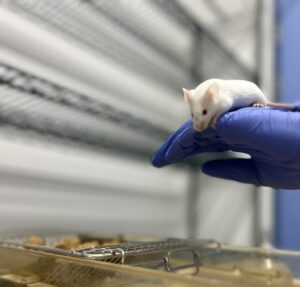
Rodents:
Mice and rats are preferred choices for in vivo studies due to their manageable size, ease of handling, and cost-effectiveness. They are extensively utilized in various research areas, including toxicology assessments, genetics, drug development and disease modeling. Their short reproductive cycle and well-understood genetics make them invaluable for understanding human diseases and testing potential treatments.
Rabbits:
Rabbits are frequently employed in in vivo testing, particularly in specialized fields such as ophthalmology, dermatology, implantation, and cardiovascular research.
Their larger size compared to rodents allows for more complex surgical procedures and easier sample collection. Rabbits are particularly useful in studies related to wound healing, ocular irritancy & implantation, and vaccine development.

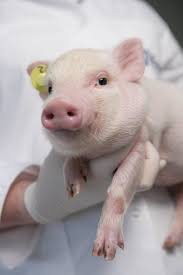
Farm Animals:
At HBI, we leverage the diverse capabilities of farm animal models to provide comprehensive in vivo testing services, supporting our clients in their pursuit of innovative biomedical solutions.
Swine (mini-pigs and domestic pigs) serve as excellent models for in vivo testing due to their anatomical and physiological similarities to humans.
Widely used in biomedical research, preclinical studies, and medical device testing, pigs are instrumental in evaluating surgical techniques, cardiovascular interventions, gastrointestinal disorders, and metabolic diseases.
Their size and physiology facilitate a more accurate translation of research findings to human applications.